

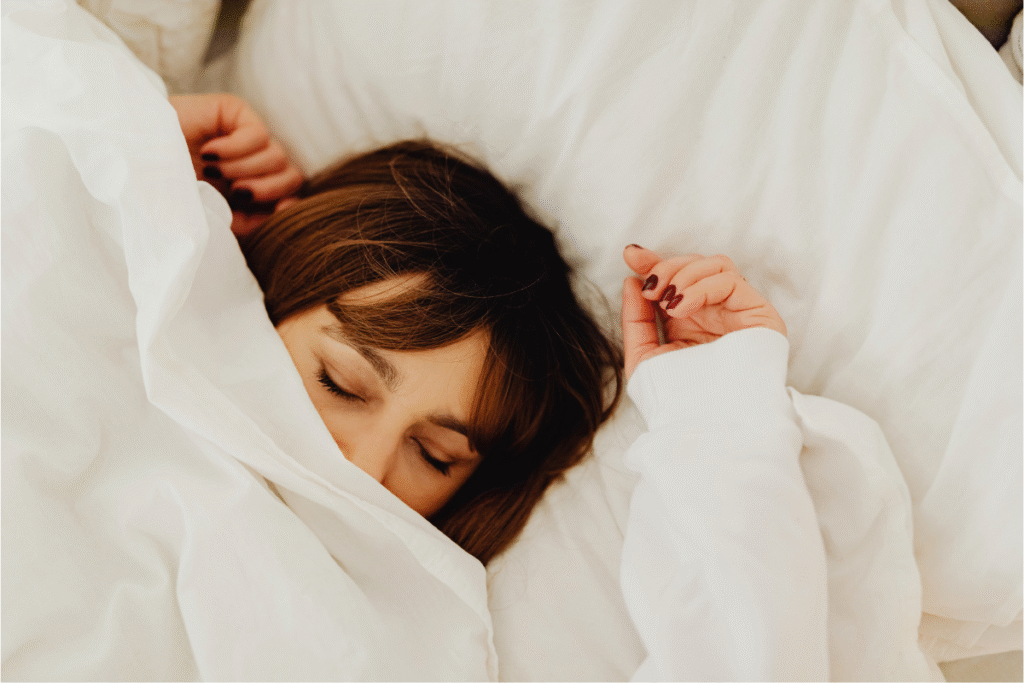
You arrive at a hotel exhausted, but sleep does not follow. You may lie awake in an unfamiliar bed, wake too early, or sleep for hours and still feel unrefreshed. That experience is common after travel, and it does not necessarily mean you have an insomnia disorder.
Travel sleep is often a layered problem: your internal clock may still be following home time, while a new room, altered schedule, travel stress, light, noise, temperature, or an early start keeps your brain alert. A useful response is to identify the likely driver and make the next sleep opportunity easier, rather than turning the night into a test of willpower or relying on a risky shortcut.

First, work out what is keeping you awake
“Travel insomnia” is a useful everyday description, not a diagnosis. One poor hotel night can happen because of several overlapping effects. Jet lag is a temporary mismatch between your body clock and the local time after crossing time zones; it can affect sleep, alertness, mood, and digestion. The timing and intensity depend on the direction and distance of travel, so light exposure is not a one-size-fits-all prescription. The CDC Yellow Book guidance on jet lag explains why timing matters.
The first-night effect is different. In an unfamiliar sleep environment, the brain may remain more watchful, with changes in sleep structure and sleep continuity. A 2024 study of healthy adults comparing sleep in a laboratory and at home found measurable differences in sleep during the first night in the unfamiliar setting. That finding helps explain why a new room can feel alerting, but it was not a study of travelers or travel fatigue. Stress, a late meeting, an early flight, or worry about tomorrow can add mental arousal, while a room that is too warm, bright, noisy, dry, or uncomfortable can prolong wakefulness.
A simple way to sort the possibilities is to look at the pattern. Without a time-zone change, jet lag is less likely to be the main explanation. Feeling sleepy at the wrong local time after crossing time zones points more toward a body-clock mismatch. Sleeping better once the room feels familiar points toward the first-night effect or the environment. If the same difficulty follows you home or happens repeatedly, consider a broader sleep issue; Lumity’s overview of common causes of sleeplessness offers additional context, but it does not replace medical advice. With the likely driver in mind, you can choose the most useful next step.


What to do before departure and after arrival
A short, repeatable plan usually works better than trying to control every variable. Start shifting toward the destination’s schedule when practical, but do not attempt an individualized light plan based on a generic rule: the helpful timing of bright light depends on whether you travel east or west, how many time zones you cross, and your current sleep pattern. For a major time-zone change, ask a clinician or pharmacist for personalized guidance.
Once you arrive, use local time as your anchor. Get appropriate daytime light, keep gently active, eat at sensible local times, and avoid turning an accidental nap into a long late-day sleep. Keep caffeine earlier if it tends to linger, avoid using alcohol as a sleep aid, and give yourself a quieter wind-down before bed. These steps support sleep pressure and circadian adjustment; they are not a guaranteed cure. For a fuller explanation of the body clock, see Lumity’s circadian rhythm guide.


Make the hotel room easier to sleep in
Small environmental changes can reduce the “why does this feel wrong?” signal from an unfamiliar room. Ask the front desk for a quieter room if possible, move the bed away from a bright entryway, and turn off or cover unnecessary LEDs. Use the curtains or an eye mask to block early light, adjust the thermostat or bedding so you are comfortably cool, and keep water nearby if dry air or travel has left you thirsty.
A familiar sequence can help too: shower, skincare, reading, breathing, or another calm routine you already associate with bed. Keep the room dim during the last part of the evening and avoid working from bed if you can. Focus on removing the clearest sources of alerting so your brain has fewer new problems to solve.
What to do first in a hotel
- Choose a consistent local wake time, then avoid chasing a poor night with a long or late nap.
- Use local time as your anchor after crossing time zones. For timed light or sleep-product plans, ask a clinician or pharmacist for advice tailored to your trip.
- Protect sleep pressure by finishing heavy meals earlier and keeping caffeine to the earlier part of the day.
- Keep the next morning practical: if you feel dangerously sleepy, avoid driving and other safety-sensitive tasks until you can do them safely.

If you wake up and cannot get back to sleep
First, do not turn one wakeful period into a performance test. If you are calm and drowsy, quiet rest in bed is reasonable. If frustration is building, use a behavioral strategy known as stimulus control: leave the bed briefly, keep the lights low, and do something quiet and uninteresting, such as reading a few pages, until you feel sleepier. Return to bed then. This approach is used in insomnia care, and this article is not a substitute for cognitive behavioral therapy for insomnia (CBT-I).
Avoid repeated clock-checking, bright phone light, and late-night work. Alcohol, extra caffeine, an unfamiliar supplement, or someone else’s medication can create additional problems. If you are considering melatonin, an over-the-counter sleep product, or a prescription medicine, ask a clinician or pharmacist first, particularly if you take other medicines, have a health condition, are pregnant, or need to drive or make safety-sensitive decisions the next day. Follow product labels; dietary supplements are not FDA-approved before marketing for safety and effectiveness.

Keeping your established routine while traveling
If you already take Lumity’s Morning & Night Female Supplement, keeping that established routine consistent may make packing simpler. A Lumity Supplement Travel Case is designed to hold up to a 10-day supply, which can help organize an existing routine while you are away. The dual-formula nutritional routine is designed around circadian timing and supports sleep and energy as part of everyday nutrition; it is not a treatment for jet lag, insomnia, or a circadian-rhythm disorder.
Keep the practical boundary clear: do not start a supplement for the first time in a hotel or use it in place of medical care. Follow the label and check compatibility with medicines or health conditions with a clinician or pharmacist when appropriate. Dietary supplements are not FDA-approved before marketing for safety and effectiveness.
A difficult hotel night is usually a short-term, layered disruption, not proof that your body has forgotten how to sleep. Use local time, protect sleep pressure, make the room darker, quieter, cooler, and more familiar, and respond to wakefulness without panic or risky shortcuts. If sleep disruption persists after the trip, keeps recurring, or affects safety and daytime function, get professional advice rather than trying to solve it with increasingly complex sleep aids.
FAQ
Is one bad night in a hotel really insomnia?
Not necessarily. A single poor night may reflect jet lag, an unfamiliar room, stress, schedule changes, or environmental discomfort. Persistent or recurring difficulty deserves a closer look with a health professional.
How can I tell jet lag from the first-night effect?
Jet lag follows a time-zone change and makes you feel out of step with local time. The first-night effect can happen without crossing time zones and is linked to an unfamiliar sleep environment. They can occur together.
What should I do if I am awake and frustrated in the middle of the night?
Use the earlier wakefulness plan: keep the light low, avoid clock-checking, and leave bed briefly for a quiet activity if frustration is building. Return when you feel sleepier; if you remain calm and drowsy, quiet rest is reasonable.
Should I use melatonin, alcohol, or an over-the-counter sleep aid?
Do not use alcohol as a sleep aid or take someone else’s medication. Before using melatonin or an over-the-counter product, ask a clinician or pharmacist, especially if you take medicines, have a health condition, are pregnant, or must drive the next day.
When should I seek medical advice for travel-related sleep problems?
Seek advice if symptoms persist after returning home, recur on trips or at home, significantly impair daytime function, create driving or other safety concerns, or involve loud snoring, breathing pauses, unusual nighttime symptoms, medication effects, or a possible medical or hormonal condition.


