

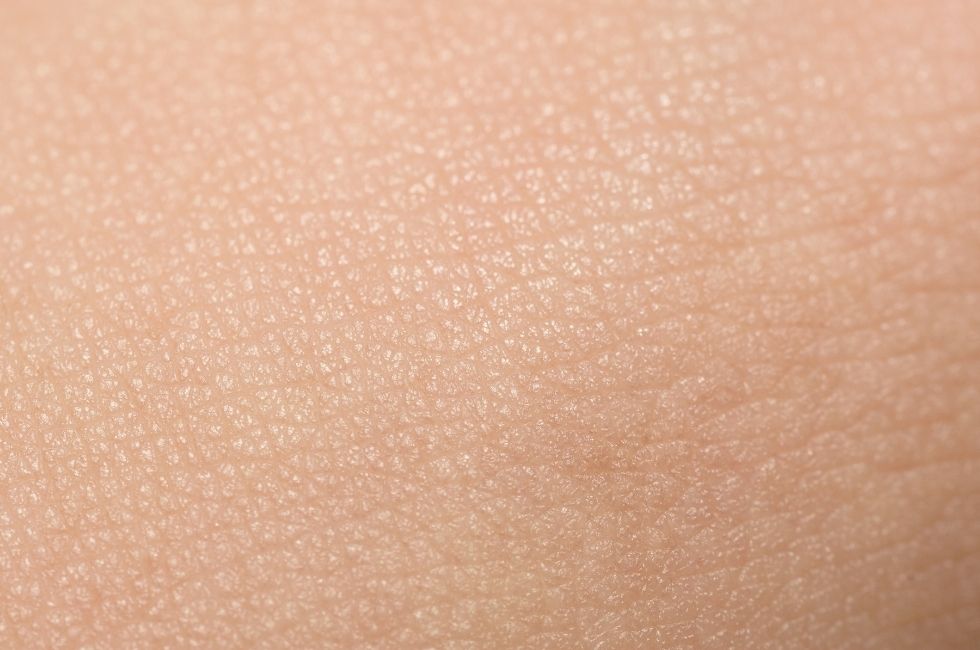
“Luminous skin” is a beauty term, not a medical diagnosis. In practical terms, it usually describes a complexion that looks hydrated, comfortable, smooth enough to reflect light evenly, and relatively even in tone. It does not mean perfectly poreless skin, a completely line-free face, or a permanently dewy finish.
The look can be immediate, created by moisturizer, facial oil, makeup, or flattering light, or it can reflect consistent support for the skin barrier, surface texture, sun protection, sleep, and overall health. A realistic goal is to support the conditions that help skin look fresher, softer, and more light-reflective over time.

Luminous, Glowing, Radiant, or Shiny: What Is the Difference?
These words overlap, but they are not identical. “Glowing” often suggests a healthy, fresh-looking appearance; “radiant” emphasizes brightness; and “dewy” usually means a moist, reflective finish. “Shiny” simply describes reflected light, which can come from oil, sweat, or excess product and is not automatically a sign of well-supported skin.
Luminous is best understood as the broader visual effect: light appears to move across the skin instead of catching on pronounced dryness, roughness, or unevenness. A little natural texture is normal. The aim is a balanced, comfortable appearance with visible texture still looking like skin.


The Visible Factors Behind a Luminous-Looking Complexion
Several ordinary skin qualities combine to create the impression of luminosity. Hydration can make the surface look less creased and more flexible; a supported barrier can reduce the look of tightness and flaky patches; and a smoother surface can reflect light more evenly. More even-looking tone also matters, because visible redness, discoloration, or post-blemish marks can interrupt that reflection.
Skin may look duller when moisture is lost, dead cells build up unevenly, or the complexion is repeatedly exposed to wind, cold, pollution, ultraviolet radiation, stress, or too little sleep. Age-related changes and hormonal shifts can also affect oil production, hydration, texture, and recovery. These changes are a reason to simplify and support your routine. They are not a reason to chase aggressive treatments or expect skin to return to an earlier state.


How to Build a Simple Routine for More Luminous-Looking Skin
A luminous-skin routine does not need every trending step. Start with the habits that protect comfort and consistency, then add only what your skin can tolerate. In the morning, prioritize gentle cleansing if needed, moisturizer suited to your skin, and broad-spectrum sunscreen. In the evening, remove makeup and sunscreen without scrubbing, cleanse gently, moisturize, and use any exfoliating or treatment product sparingly.
If your skin is dry or mature, layering hydration may be more helpful than increasing exfoliation. If it is sensitive or easily overwhelmed, introduce one change at a time and stop if you develop persistent stinging, burning, or worsening redness. A facial oil can be an optional finishing step for softness and a more reflective surface. Keep moisturizer and sunscreen as the core of the routine.
Priorities that usually matter most
- Protect the barrier: cleanse gently, moisturize consistently, and avoid stacking multiple irritating products.
- Use sunscreen every morning: exfoliation and brightening products do not replace daily sun protection.
- Add radiance gradually: choose one optional step, such as a facial oil or gentle exfoliant, and assess comfort before adding another.
- Support the basics beyond the bathroom: regular meals, adequate fluids, restorative sleep, movement, and stress management can all contribute to a more rested-looking complexion.

Where Lumity Products May Fit in a Streamlined Routine
A streamlined routine can include products that make foundational care easier to repeat. Lumity’s Skin Nutrients Cleansing Balm is positioned as a gentle cleanser that removes makeup while hydrating and gently exfoliating, so it may suit someone who wants fewer separate steps. Use the amount and frequency that leave your skin comfortable. More exfoliation is not automatically more luminous.
For an optional moisture and finish step, the Skin Nutrients Facial Oil is positioned around moisture, barrier support, radiance, and suppleness, with a blend of 32 plant oils and extracts. Apply a small amount over or alongside moisturizer if your skin enjoys oils, and patch-test if you are reactive.
The same approach can extend beyond facial skincare. For dry arms, legs, shins, knees, or elbows, the Skin Nutrients Body Oil is positioned around hydration, suppleness, and radiance.


Nutrition, Sleep, and the Difference Between Looking Rested and Looking Shiny
Before choosing another product, consider the foundations that influence how rested a complexion appears. Adequate food, fluids, sleep, and recovery may help you look less tired, while chronic stress, disrupted sleep, and an unbalanced diet can make dullness or dehydration seem more noticeable. These habits are not instant glow switches, but they are sensible parts of healthy aging.
A nutrition-focused supplement is optional. It may help simplify a broader routine, but it does not replace varied food, medical advice, sunscreen, or topical care. Lumity’s Morning & Night Female Supplement is positioned as a clinically tested, dual-formula supplement that delivers nutrients at different times of day to support healthy aging, beauty, energy, sleep, and immunity.
Lumity’s partner article reports that 92% of respondents in an independent 12-week clinical trial noticed a significant improvement in skin condition. That is a brand-reported result from the participants studied, not a guarantee for every person. If you take medications, are pregnant or nursing, or have a health condition, ask a qualified healthcare professional before starting a supplement.
The practical test is simple: choose the smallest routine that supports comfort, consistency, and sun protection, then add one optional change only if you have a clear reason. That approach makes it easier to tell whether a product is helping and less likely that irritation will be mistaken for dullness.
Give the routine several weeks before judging its broader effect, while remembering that immediate radiance may be cosmetic and longer-term changes are gradual and variable. If dullness comes with persistent redness, itching, irritation, pigmentation, a rash, pain, or a sudden change, speak with a qualified clinician rather than continuing to add new products.
FAQ
How long does it take to get more luminous-looking skin?
There is no universal timeline. Moisturizer or facial oil can create an immediate cosmetic effect, while changes in comfort, texture, or uneven-looking tone usually take several weeks or longer. Change one variable at a time so you can tell what is helping.
Is luminous skin the same as glowing or dewy skin?
Not exactly. Glowing and radiant often describe brightness, while dewy usually describes a moist, reflective finish. Luminous is a broader term for skin that appears to reflect light evenly because it looks hydrated, smooth, comfortable, and relatively even in tone. Shiny skin may simply reflect oil or sweat.
Can sensitive or mature skin follow a luminous-skin routine?
Yes, but it may need fewer products and slower changes. Prioritize gentle cleansing, moisturizer, and daily sunscreen. Introduce exfoliation or facial oil gradually, patch-test when appropriate, and stop any product that causes persistent burning, stinging, or worsening redness.
Can a supplement make my skin luminous?
A supplement can support a broader healthy-aging routine, but it cannot guarantee a particular appearance. It is optional and does not replace varied food, topical care, sunscreen, or medical advice.
Should I exfoliate more if my skin looks dull?
Not necessarily. Over-exfoliation can make skin feel irritated, tight, or more reactive, which may make it look less healthy. Start with gentle, infrequent exfoliation if your skin tolerates it, and never treat exfoliation or brightening products as a substitute for daily sun protection.
When should I see a clinician about a skin change?
Seek professional advice for persistent or worsening dullness accompanied by redness, itching, irritation, pigmentation, a rash, pain, or a sudden change. A qualified clinician can help distinguish an ordinary cosmetic concern from a condition that needs assessment.


